Driving in New Zealand
A complete guide for visitors — stay informed, drive safely, and enjoy your journey through Aotearoa.
Essential Driving Tips
Stay Rested, Aware & Safe
Simple guidelines to help you enjoy a relaxed and safe journey across New Zealand.
Rest Before Driving
If you are arriving on a long-haul flight, consider staying overnight in that destination. That will ensure you are fresh and ready for the drive ahead.
Take Regular Breaks
It’s easy to underestimate New Zealand driving times. Take plenty of breaks and give yourself additional travel time to rest, eat, and stretch your legs. Plan to drive for only 1 - 2 hours at a time to break up your journey.
Keep Left
Always drive on the left side of the road. If you drive on the right side of the road in your own country, please remember to keep left when pulling out onto the road – it’s easy to forget where you are!
Giving Way at Intersections
In general, if you’re turning, give way to all vehicles that are not turning. Always use your indicator when turning.
No Left Turn on Red
In New Zealand you may not turn left at an intersection when the traffic signals are red.
Hand-held Mobile Phones
Drivers must not use a hand-held mobile phone when driving, unless the device is completely hands-free or mounted securely to the vehicle – and touched infrequently and briefly. Writing, reading or sending text messages on a mobile phone while driving is also illegal.
Travelling Times
It’s easy to underestimate travelling times in New Zealand.
Distances may seem short on paper, but New Zealand roads may be narrower than you’re used to, cover hilly terrain and vary from motorways (freeways) to unsealed gravel roads.
If you’re tired you’re much more likely to have a crash. Here are some tips to help you stay alert.
- Get plenty of rest before a long drive.
- Take a break from driving every two hours.
- If possible, share the driving with someone else.
- Avoid large meals and drink plenty of fluid.
- If you begin to feel sleepy, stop at a safe place and try to have a short sleep for up to 40 minutes.
- If you’re feeling very tired, find a place to stay overnight.
- New Zealand has beautiful, spectacular scenery. If you stop to view or photograph it never stop on the road. Always pull off the road to a safe area.
Tips for Front Seat Passengers
Front seat passengers can help the driver by operating the GPS for them and should always be aware that they should be on the left hand edge of the road, not the middle.
Sharing the Road with Cyclists
Cyclists have the same rights as drivers on New Zealand roads. Always slow down near cyclists, pass slowly and only when safe, and try to leave a space of 1.5 metres. Indicate in plenty of time and respect cycle lanes.
Alcohol and Drugs
Don’t drink or use drugs and then drive – the laws against this are strictly enforced in New Zealand and penalties are severe.
Driving Speeds
Speed limit signs show the maximum speed you can travel. At times you may need to drive at a slower speed due to road, weather or traffic conditions.
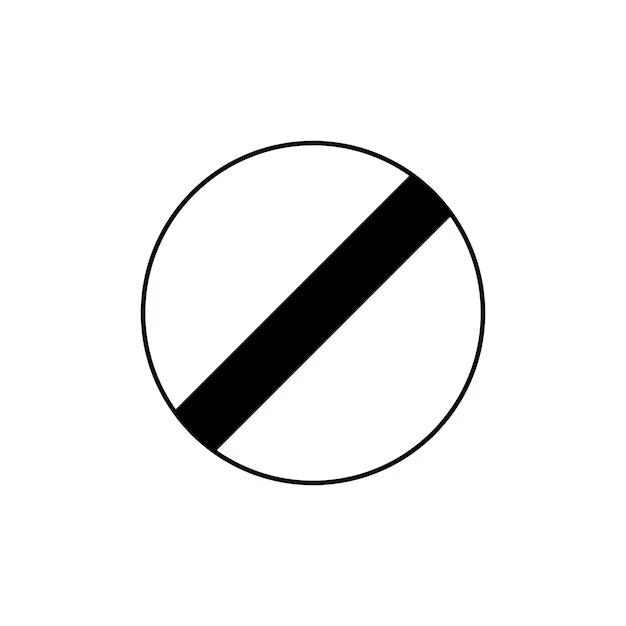
This sign indicates the default rural speed limit of 100km/h applies but the road is unlikely to be suitable to travel at that speed. You may need to drive at a slower speed.
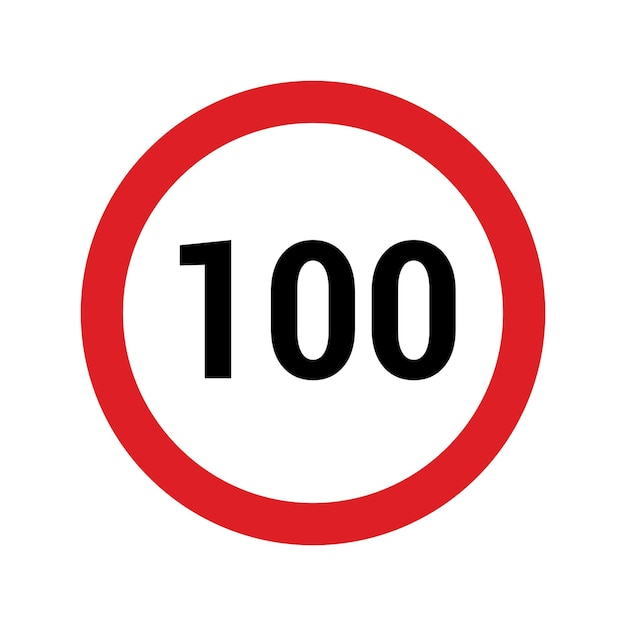
On most of New Zealand's main rural roads, the speed limit is 100km/h unless a sign says a lower speed applies. The speed limit is generally 100km/h on motorways.
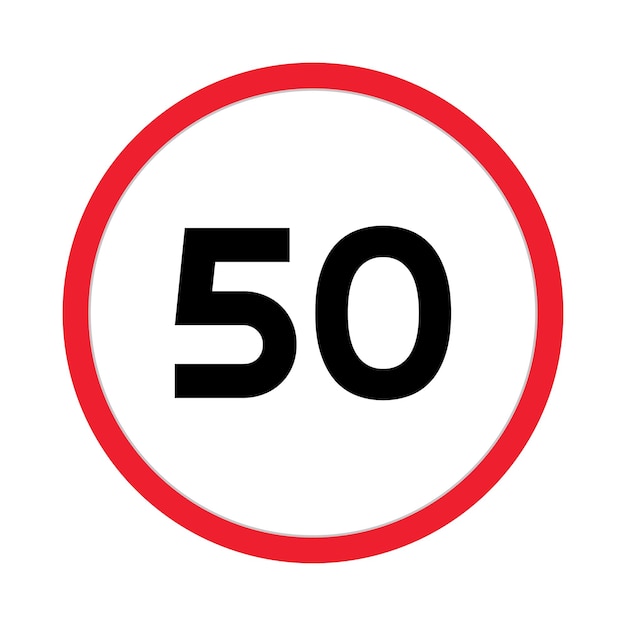
In urban areas, the speed limit is usually 50km/h unless a sign says otherwise.
Safety Belts
By law, everyone in the vehicle must wear a safety belt or child restraint – whether they’re in the front or back. Children under seven years of age must be secured in an approved child restraint. Children aged seven must be secured in an approved child restraint if such a restraint is available.
Driver Licence Requirements
You must have your current and valid driver licence with you at all times when driving in New Zealand. If you have an International Driving Permit you must also carry your current and valid driver licence.
If your overseas driver licence is not in English, you must carry an accurate English translation issued by one of the following:
- A translation service approved by the NZ Transport Agency (a list is available at www.nzta.govt.nz/licence/residents-visitors/translators.html) view list
- A diplomatic representative at a high commission, embassy or consulate.
- The authority that issued your overseas licence.
An International Driving Permit (issued in accordance with a United Nations Convention on Road Traffic) is acceptable only as a translation.
Provided your overseas driver licence or driver permit remains current and valid, you can drive for a maximum period of 12 months from the date you arrive in New Zealand. Each time you arrive in New Zealand you can drive for a further 12-month period.
After 12 months, if you wish to continue driving in New Zealand, you must obtain a New Zealand driver licence. Once you have been issued a New Zealand driver licence, you can no longer use your overseas licence. This applies even if you have been in New Zealand less than 12 months.
Overtaking
Most roads in New Zealand have a single lane each way, and some provide passing lanes at regular intervals – these should be used where possible when overtaking. You must not cross a solid yellow line on your side of the centre line to pass a vehicle, as this indicates it’s too dangerous to overtake.
One-Lane Bridge
A number of roads in New Zealand have one-lane bridges where vehicles travelling in one direction must give way to vehicles going in the other direction.
Any of the signs below show that you are approaching a one-lane bridge. Slow down and check for traffic coming the other way. The smaller red arrow shows which direction has to give way.
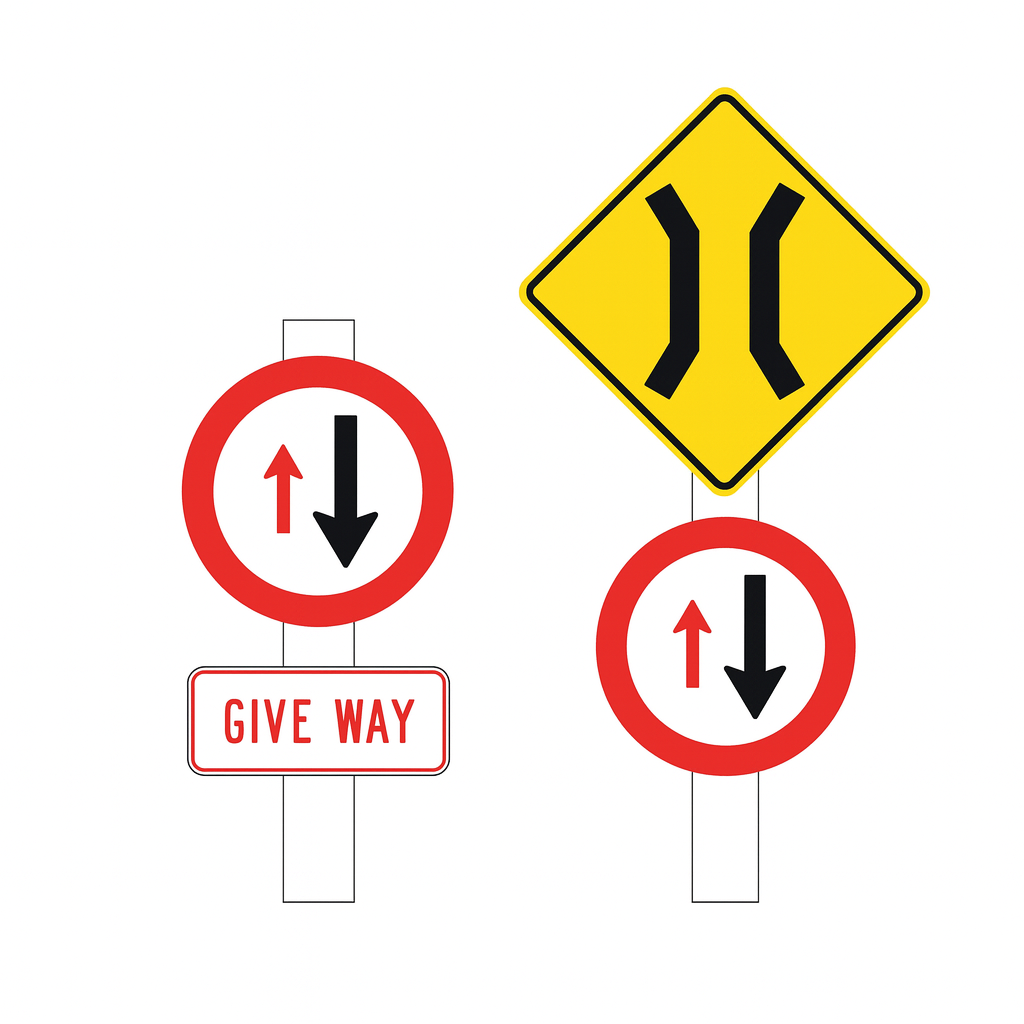
Give Way Signs
These two signs show you must give way to traffic coming the other way across the bridge.
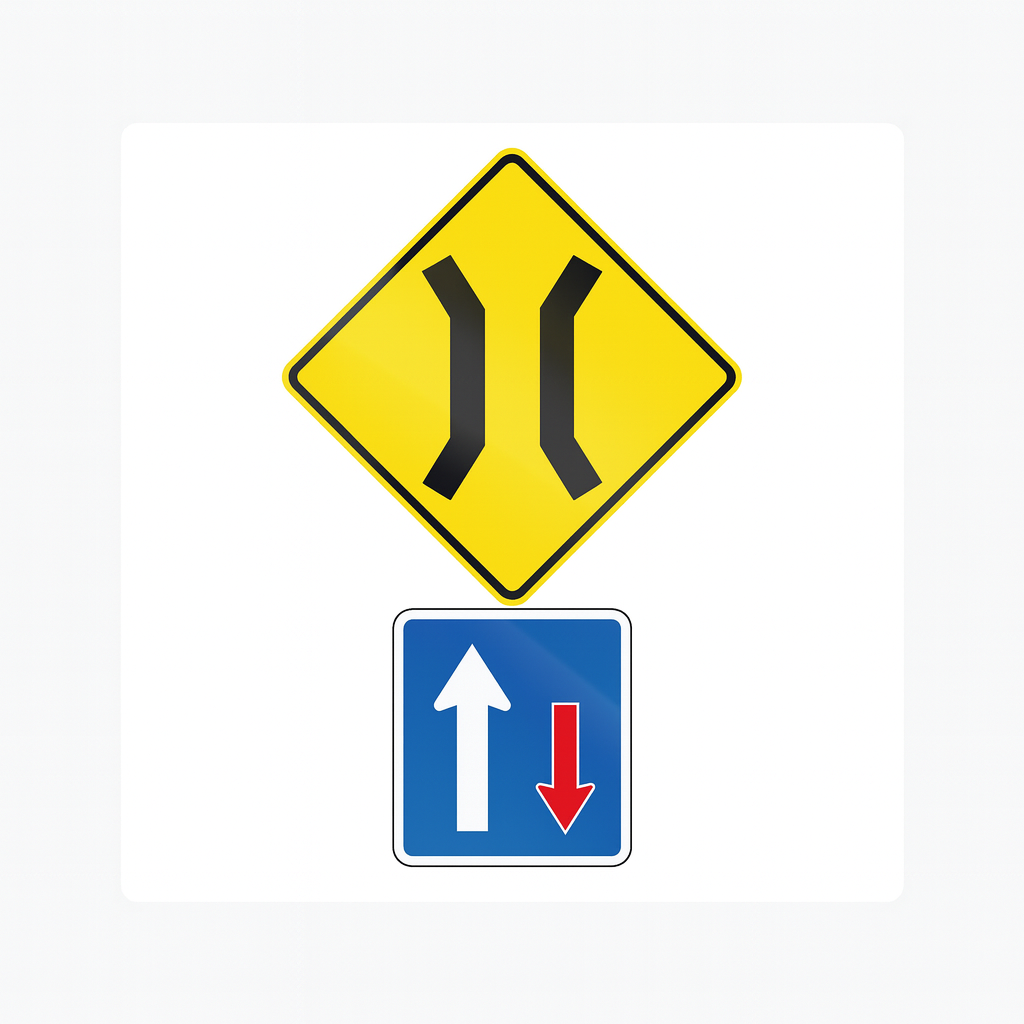
Right of Way Sign
This sign indicates that if no traffic is approaching, you can proceed across the bridge with caution.
Winter Driving
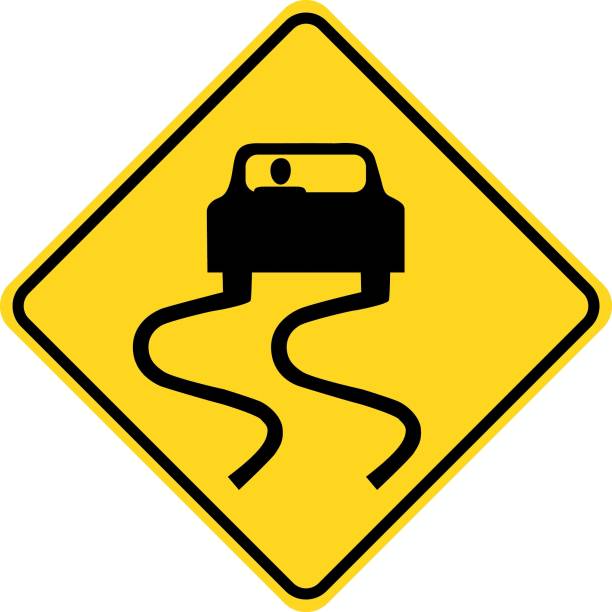
Slippery Surface Sign
Look out for this sign in wet or icy conditions — slow down and avoid sudden braking.
Snow and ice can make roads even more hazardous, especially around mountain passes.
Rental companies often supply chains if you’re likely to drive in snowy areas — make sure you know how to fit them before heading out.
Animals on the Road
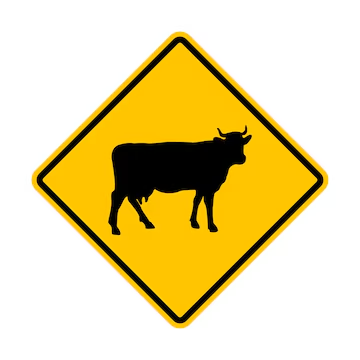
Animals on the Road Sign
Watch out for farm animals on the road, particularly in rural areas. When you see them, slow down and
do not sound your horn – it may startle them. You may need to stop and let the animals go past or move
slowly up behind and follow the farmer's instructions.
Unsealed (Gravel) Roads
Avoid unsealed roads if possible. If you need to drive on them, remember they can be very narrow. Reduce your speed and slow down even further when approaching oncoming traffic as dust could obscure your vision and loose stones could chip your windscreen.
Parallel Parking
In New Zealand, you can be fined or towed away for parallel parking on the wrong side of the road. You may only park in the direction of traffic flow on your side of the road (ie on the left side) unless it is a one-way street.
Rail Crossings
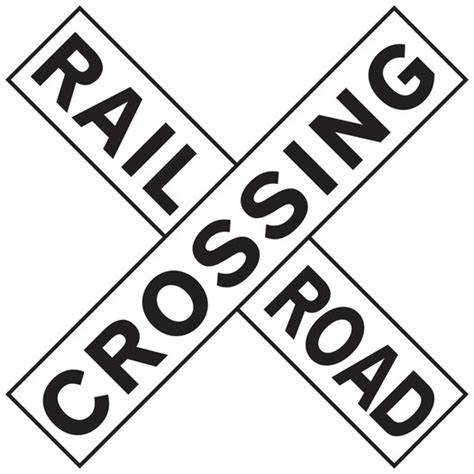
Only half of New Zealand’s 1500 public rail crossings have automatic alarms. If red lights are flashing, stop and only proceed once the lights have stopped flashing. Other crossings have railway crossing and give way or stop signs only. When you see a stop sign at a crossing, stop and only cross the track if there are no trains approaching. When you see a give way sign, slow down and be ready to stop and only cross the track if there are no trains approaching.
Drive Smart, Drive Safe
Take your time, stay alert, and enjoy the scenery responsibly. New Zealand’s roads are as beautiful as they are challenging — drive carefully and make the journey part of your adventure.